Mustache Transplantation

Mustache Transplantation

Consultation

Patients consult with a qualified surgeon to discuss their goals, assess eligibility, and understand the procedure.

Donor Selection

Hair follicles are typically harvested from the back of the scalp, which ensures a close match in texture and quality to mustache hair.

Anesthesia

Local anesthesia is administered to both the donor and recipient areas to minimize discomfort during the procedure.

Extraction

Follicular Unit Extraction (FUE) is a common technique where individual hair follicles are carefully extracted from the donor site using a micro-punch tool.
Graft Preparation

Extracted follicles are then carefully dissected and prepared for transplantation, ensuring the viability of each graft.

Recipien Preparation

Tiny incisions are made on the upper lip, mimicking the natural pattern of mustache growth. The angle and direction of the incisions are crucial for a natural appearance.

Transplantation

The prepared hair follicles are meticulously implanted into the incisions on the upper lip. Surgeons pay attention to the angle, density, and distribution for an aesthetically pleasing outcome.

Recovery

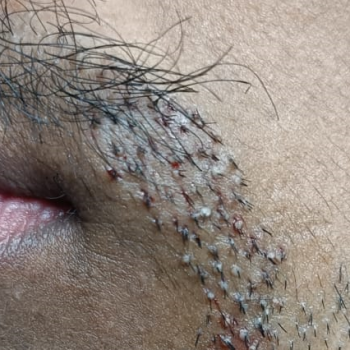
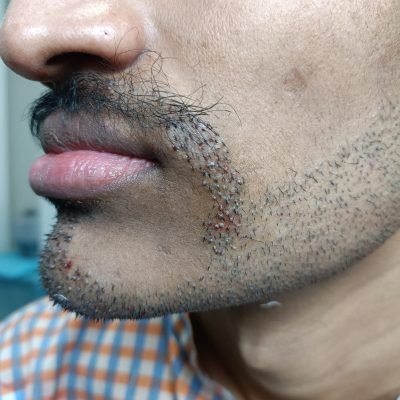
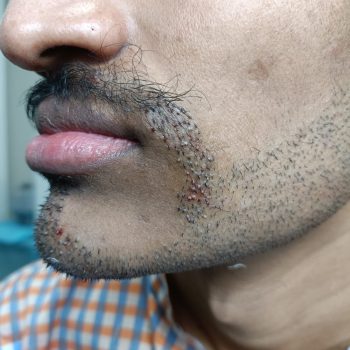
Patients can expect some redness, swelling, and scabbing initially, but these subside over time. Post-operative care instructions are provided for optimal healing.
long-lasting, all-natural

Mustache Transplantation

Mustache transplantation is a cosmetic procedure designed to address thin or inadequate mustache growth. During the procedure, hair follicles, typically sourced from the back of the scalp, are extracted and transplanted to the mustache area. Conducted under local anesthesia, the transplanted hair grows naturally, resulting in a fuller and more defined mustache. This technique is beneficial for individuals with sparse or uneven mustache growth due to genetics, scarring, or other factors. The recovery period is generally short, and the final results provide a natural-looking mustache enhancement. Mustache transplantation caters to those seeking to achieve a more robust and well-defined facial appearance.

WhatsApp Image 2024-05-23 at 5.15.48 PM (1)

What are the benefits of Mustache Transplantation

The procedure of moustache transplant is one of the least invasive procedures. No major cuts and stitches are involved in this surgery.
Since the transplant is carried out with the help of needle punches, there are no scars or stitches. Surgery scars can be difficult to get rid of but in the case of moustache implants, there are none. Thus, you do not have to worry about ugly looking scars on your face.
Usually, all patients are likely to experience some pain after any surgery or operation. But in the case of a moustache transplant, the pain is very minimal. A local anaesthesia is administered before the procedure which numbs all the sensations in the area to be operated. After the effect of anaesthesia fades out, the patient might experience a little pain or a tingling sensation in the operated area, but it goes away pretty soon.
The surgery is generally out-patient and takes two to three hours. However, depending on the requirement the surgery can be performed in-patient, too. In either of the cases, the recovery time is very short.
The biggest benefit will be getting rid of a patchy or spotty beard. In the matter of a few months and with proper care, you will be sporting a naturally lush and thick moustache.

What Should You Do After Mustache Transplant?

We believe in affordable Hair Transplantation for all.

[grw id="9399"]