


5.0
Based on 102 reviews
powered by

rock re
3 years ago

Sagar Durgam
3 years ago
Best Hair Transplant Center

Vamshi Vamshi
3 years ago
Best hair transplantation clinic

saikumar chinthakunta
3 years ago

nitin dudala
3 years ago
My Cousin and I visited Wowmen Clinic , I must say its Outstanding with professional staff maintaining friendly and hygienic atmosphere

Ashish b
3 years ago
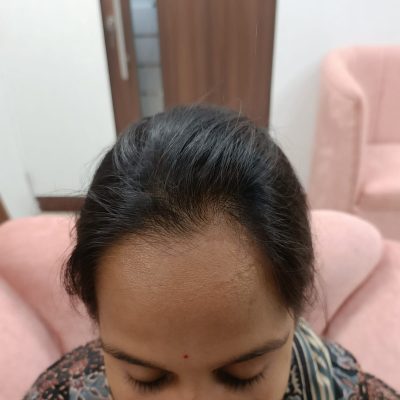
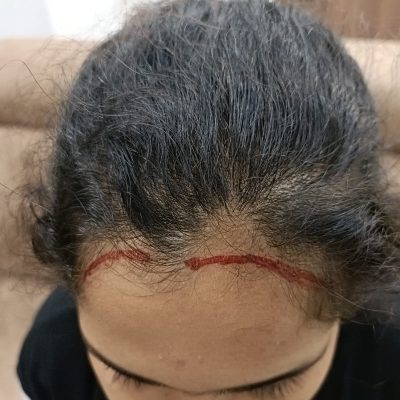
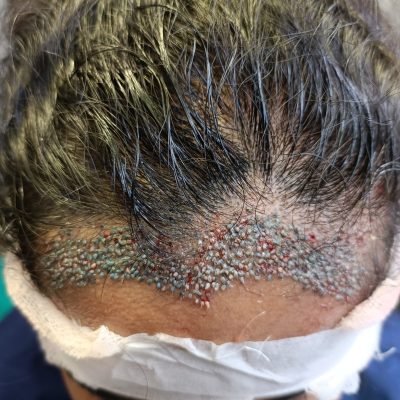
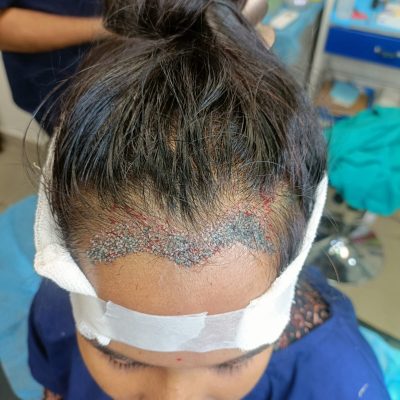
Had a transplant surgery
Quite freindly staff and a great experience
All queries were answered to and multiple sessions were done with packing in order to provide greater density
Definitely would recommend to freinds and other members sufferring hair loss issues
Quite freindly staff and a great experience
All queries were answered to and multiple sessions were done with packing in order to provide greater density
Definitely would recommend to freinds and other members sufferring hair loss issues

Mahesh G
3 years ago
I feel very Happie after surgery . I thought that its was very risky process to do,but after doctor consultation I've been there for hair transplant treatment. It was painless and smooth. Staff was very good with their behaviour. I wish you all the very best and successful years ahead. I would highly recommend if anybody is looking for hair treatment or any kind of cosmetic treatments.please consult This WOWMEN HAIR TRANSPLANTATION & COSMETIC CENTRE .

dinesh katadi
4 years ago
I have been for Hair Transplant.
Initially I'm worried how surgery will be going on..
When the treatment started i felt myself comfortable and good...it's painless treatment
Dr. Srikanth and his vast experience is phenomenal.. thank you so much sir..
My worry of bald and hair receding is going away soon..
Which make his patient to feel we are at right place to get treatment..
He understand the patient situation and take care of them very particularly...and the way team interacted with me is what made myself some relief not bothering about pain
Initially I'm worried how surgery will be going on..
When the treatment started i felt myself comfortable and good...it's painless treatment
Dr. Srikanth and his vast experience is phenomenal.. thank you so much sir..
My worry of bald and hair receding is going away soon..
Which make his patient to feel we are at right place to get treatment..
He understand the patient situation and take care of them very particularly...and the way team interacted with me is what made myself some relief not bothering about pain